top of page
Solver Ninja
Jumpstart your A* Journey
Home
Subjects
Preview
More
Use tab to navigate through the menu items.
Sign Up or Log In
IGCSE Physics
Play Video
Play Video
03:39
Measurement and Significant Figures
When we take a measurement or make a calculation, how many digits do we use? There's rules, friend! You must obey the sig figs. Don't worry, learn all about them in this clip, and you'll be the coolest kid on the block. Watch the whole General Chemistry playlist: http://bit.ly/ProfDaveGenChem Study for the AP Chemistry exam with me: https://bit.ly/ProfDaveAPChem Organic Chemistry Tutorials: http://bit.ly/ProfDaveOrgChem Biochemistry Tutorials: http://bit.ly/ProfDaveBiochem Biology Tutorials: http://bit.ly/ProfDaveBio Classical Physics Tutorials: http://bit.ly/ProfDavePhysics1 Modern Physics Tutorials: http://bit.ly/ProfDavePhysics2 Mathematics Tutorials: http://bit.ly/ProfDaveMaths EMAIL► ProfessorDaveExplains@gmail.com PATREON► http://patreon.com/ProfessorDaveExplains Check out "Is This Wi-Fi Organic?", my book on disarming pseudoscience! Amazon: https://amzn.to/2HtNpVH Bookshop: https://bit.ly/39cKADM Barnes and Noble: https://bit.ly/3pUjmrn Book Depository: http://bit.ly/3aOVDlT
Play Video
Play Video
14:42
Physics Lesson 01 - Measuring and Tools
This video is a bit longer than most others will be. But making sure that you have a good understanding of measurement is vitally important for the rest of the year.
Play Video
Play Video
04:55
1.4 DENSITY (IGCSE PHYSICS REVISION VIDEO)
FIZIKBAZ PRESENTS CAMBRIDGE IGCSE PHYSICS 0625 REVISION VIDEO (#4) DENSITY What is density? How we can determine the densities of regular shaped solids? How we can determine the densities of irregular shaped solids? How we can determine the densities of liquids? How to predict whether an object will float based on density data?
Play Video
Play Video
15:45
IGCSE Physics Length and Time Solved Past Paper MCQs
IGCSE Physics Length and Time Solved Past Paper MCQs. In this video I will take you through a few questions which appear to be very simple but many students make silly mistakes while solving them. Some of the topics discussed in the video are: 1. Mistakes made while taking readings from measuring cylinder . 2. Next we have relationship between length and width of the measuring cylinder to the accuracy of the readings taken. This concept can come very handy in understanding and solving questions related to length and diameter of thermometer tube. 3.Many questions involve measuring length when ruler is not placed from the starting point, these questions some time have many sub parts, so if in first step reading calculated is wrong all parts are done incorrectly . So although it is simple but is quite critical. 4. The Rolling cylinder problems are quite common. these problems either ask you the circumference, the diameter or the radius of the cylinder rolling on a flat surface. This concept is discussed in addition to forewarning students of irrelevant information in the question provided at times to confuse them. So stay focussed to the problem and information required. 5. Most of the time related problems have one common factor in them, that is the time provided is in different units. After converting them to the same unit, most of these problems can be solved easily using simple addition and subtraction. 6. Finally, a rather interesting problem of measuring volume with a ruler is also explored . So go ahead, watch the video till the end and enjoy Physics...
Play Video
Play Video
04:01
GCSE Physics Revision "Density"
Find your 9s with PLUS. Click the link to try for free https://www.freesciencelessons.co.uk/modules/gcse-physics-1-triple/ In this video, we look at Density. First we explore the differences in the arrangement of particles between solids, liquids and gases and then we look at how to calculate density. Finally, we use the particle model that we saw at the start to explain the differences in density between solids, liquids and gases. Image credits: https://creativecommons.org/licenses/by/2.0/uk/ Student studying: Gnarlycraig https://commons.wikimedia.org/wiki/File:Studying.jpg Brick Cropped from original image Andrewlister https://commons.wikimedia.org/wiki/File:Brick.jpg Expanded polystyrene block Motokichirou https://commons.wikimedia.org/wiki/File:Пенопласт.jpg Microscopic image of thermocol block Rit Rajarshi https://commons.wikimedia.org/wiki/File:Microscopic_Section_of_Thermocol_block_(Under_light-microscope,_bright-field,_Objective_10_X,_Eyepiece_10_X).jpg
Play Video
Play Video
Physics- Mass,Length, & Time
Learn the basic terms needed to begin Physics.
Play Video
Play Video
06:33
GCSE Physics - Measuring quantities - Length, Volume, Time Taken
http://gcsephysicsninja.com ... A flashcard on the methods and apparatus used to measure the quantities of length, volume (regular and irregular shapes) and time taken. Visit GCSEPhysicsNinja.com for more revision flashcards! Check out more GCSE physics tutorials at http://gcsephysicsninja.com
Play Video
Play Video
04:50
GCSE Physics Revision "Distance-Time Graphs"
Find your 9s with PLUS. Click the link to try for free https://www.freesciencelessons.co.uk/plus Teachers, to get PLUS for your school, email schools@freesciencelessons.co.uk In this video, we look at how to construct a distance-time graph. We then explore how to use these to calculate the speed of a moving object. Finally, for higher tier students, we look at how to use a distance-time graph to calculate the speed of an accelerating object. This video is based on the AQA spec. This video may be appropriate for iGCSE / O Level Physics. Please consult your specification. The Amazon link above is an affiliate link. This provides a small commission which helps to support freesciencelessons. The cost remains the same to you. If you prefer not to use this, you can search Amazon for the Freesciencelessons workbooks. Image credits: https://creativecommons.org/licenses/by/2.0/uk/ Man walking Visitor7 https://commons.wikimedia.org/wiki/File%3AMan_Walking-2.jpg Music credit: Deliberate Thought by Kevin MacLeod is licensed under a Creative Commons Attribution licence (https://creativecommons.org/licenses/by/4.0/) Source: http://incompetech.com/music/royalty-free/?keywords=deliberate+thought Artist: http://incompetech.com/
Play Video
Play Video
04:53
GCSE Physics Revision "Speed"
Find your 9s with PLUS. Click the link to try for free https://www.freesciencelessons.co.uk/plus Teachers, to get PLUS for your school, email schools@freesciencelessons.co.uk In this video, we look at the difference between distance and displacement and then how to calculate speed. We then look at the speeds of a number of different moving objects. Finally, we explore how to calculate distance travelled. This video is based on the AQA spec. This video may be appropriate for iGCSE / O Level Physics. Please consult your specification. The Amazon link above is an affiliate link. This provides a small commission which helps to support freesciencelessons. The cost remains the same to you. If you prefer not to use this, you can search Amazon for the Freesciencelessons workbooks. Image credits: https://creativecommons.org/licenses/by/2.0/uk/ Ernest Rutherford https://commons.wikimedia.org/wiki/File:Ernest_Rutherford_(Nobel).jpg Ernest Marsden S P Andrew Ltd (1921) https://commons.wikimedia.org/wiki/File:Ernest_Marsden_1921.jpg Music credit: Deliberate Thought by Kevin MacLeod is licensed under a Creative Commons Attribution licence (https://creativecommons.org/licenses/by/4.0/) Source: http://incompetech.com/music/royalty-free/?keywords=deliberate+thought Artist: http://incompetech.com/
Play Video
Play Video
03:17
GCSE Physics Revision "Velocity"
Find your 9s with PLUS. Click the link to try for free https://www.freesciencelessons.co.uk/plus Teachers, to get PLUS for your school, email schools@freesciencelessons.co.uk In this video, we look at what is meant by velocity and how this is calculated. We then look at the velocity of objects moving in a circle. This video is based on the AQA spec. This video may be appropriate for iGCSE / O Level Physics. Please consult your specification. The Amazon link above is an affiliate link. This provides a small commission which helps to support freesciencelessons. The cost remains the same to you. If you prefer not to use this, you can search Amazon for the Freesciencelessons workbooks. Image credits: https://creativecommons.org/licenses/by/2.0/uk/ Ernest Rutherford https://commons.wikimedia.org/wiki/File:Ernest_Rutherford_(Nobel).jpg Ernest Marsden S P Andrew Ltd (1921) https://commons.wikimedia.org/wiki/File:Ernest_Marsden_1921.jpg Speeding train Wilson Adams https://commons.wikimedia.org/w/index.php?curid=12504427 Music credit: Deliberate Thought by Kevin MacLeod is licensed under a Creative Commons Attribution licence (https://creativecommons.org/licenses/by/4.0/) Source: http://incompetech.com/music/royalty-free/?keywords=deliberate+thought Artist: http://incompetech.com/
Play Video
Play Video
05:53
GCSE Physics Revision "Acceleration"
Find your 9s with PLUS. Click the link to try for free https://www.freesciencelessons.co.uk/plus Teachers, to get PLUS for your school, email schools@freesciencelessons.co.uk In this video, we look at calculating the acceleration of an object including using a velocity-time graph. Higher tier students will learn how to determine the distance travelled by an object from a velocity-time graph. This video is based on the AQA spec. This video may be appropriate for iGCSE / O Level Physics. Please consult your specification. The Amazon link above is an affiliate link. This provides a small commission which helps to support freesciencelessons. The cost remains the same to you. If you prefer not to use this, you can search Amazon for the Freesciencelessons workbooks. Image credits: https://creativecommons.org/licenses/by/2.0/uk/ Car www.Pixel.la Free Stock Photos https://commons.wikimedia.org/wiki/File%3ABlue_Mini_Cooper_car_speeding.jpg Music credits: Deliberate Thought by Kevin MacLeod is licensed under a Creative Commons Attribution licence (https://creativecommons.org/licenses/by/4.0/) Source: http://incompetech.com/music/royalty-free/?keywords=deliberate+thought Artist: http://incompetech.com/
Play Video
Play Video
04:51
GCSE Physics Revision "Acceleration 2"
Find your 9s with PLUS. Click the link to try for free https://www.freesciencelessons.co.uk/plus Teachers, to get PLUS for your school, email schools@freesciencelessons.co.uk In this video, we continue looking at acceleration. We also explore the forces on an object falling through a fluid. This video is based on the AQA spec. This video may be appropriate for iGCSE / O Level Physics. Please consult your specification. The Amazon link above is an affiliate link. This provides a small commission which helps to support freesciencelessons. The cost remains the same to you. If you prefer not to use this, you can search Amazon for the Freesciencelessons workbooks. Image credits: https://creativecommons.org/licenses/by/2.0/uk/ Skydiver Wojciech Kielar https://commons.wikimedia.org/w/index.php?curid=59725626 Music credits: Deliberate Thought by Kevin MacLeod is licensed under a Creative Commons Attribution licence (https://creativecommons.org/licenses/by/4.0/) Source: http://incompetech.com/music/royalty-free/?keywords=deliberate+thought Artist: http://incompetech.com/
Play Video
Play Video
16:27
IGCSE Physics Section A - Forces and Motion: Movement & Position
IGCSE Revision video covering velocity, displacement and acceleration.
Play Video
Play Video
03:34
Mass and Weight - IGCSE Physics
In this video I explain the difference between mass and weight and how to use the formula w=mg.
Play Video
Play Video
15:35
IGCSE Physics Section A - Forces and Motion: Momentum
This video includes the momentum equation, impulse and the principle of conservation of momentum.
Play Video
Play Video
03:59
Gears and Levers | Forces and Motion | Physics | FuseSchool
Gears and Levers | Forces and Motion | Physics | FuseSchool In this video we’re going to learn about levers and gears. Levers are simple machines or mechanisms that make work easier to do. They use moments. To reduce the force needed to perform a task. Gears are wheels with teeth on the edges that fit together. They transmit power from one part of a machine to another part. So in a bike, they take the power from the pedals to the back wheel. Watch this videos to learn more! CREDITS Design & Animation: Bing Rijper Narration: Dale Bennett Script: Bethan Parry SUBSCRIBE to the FuseSchool YouTube channel for many more educational videos. Our teachers and animators come together to make fun & easy-to-understand videos in Chemistry, Biology, Physics, Maths & ICT. VISIT us at www.fuseschool.org, where all of our videos are carefully organised into topics and specific orders, and to see what else we have on offer. Comment, like and share with other learners. You can both ask and answer questions, and teachers will get back to you. These videos can be used in a flipped classroom model or as a revision aid. Find all of our Chemistry videos here: https://www.youtube.com/playlist?list=PLW0gavSzhMlReKGMVfUt6YuNQsO0bqSMV Find all of our Biology videos here: https://www.youtube.com/playlist?list=PLW0gavSzhMlQYSpKryVcEr3ERup5SxHl0 Find all of our Physics videos here: https://www.youtube.com/playlist?list=PLW0gavSzhMlTWm6Sr5uN2Uv5TXHiZUq8b Find all of our Maths videos here: https://www.youtube.com/playlist?list=PLW0gavSzhMlTKBNbHH5u1SNnsrOaacKLu Instagram: https://www.instagram.com/fuseschool/ Facebook: https://www.facebook.com/fuseschool/ Twitter: https://twitter.com/fuseSchool Access a deeper Learning Experience in the FuseSchool platform and app: www.fuseschool.org Follow us: http://www.youtube.com/fuseschool Befriend us: http://www.facebook.com/fuseschool This is an Open Educational Resource. If you would like to use the video, please contact us: info@fuseschool.org
Play Video
Play Video
03:59
Gears and Levers | Forces and Motion | Physics | FuseSchool
Gears and Levers | Forces and Motion | Physics | FuseSchool In this video we’re going to learn about levers and gears. Levers are simple machines or mechanisms that make work easier to do. They use moments. To reduce the force needed to perform a task. Gears are wheels with teeth on the edges that fit together. They transmit power from one part of a machine to another part. So in a bike, they take the power from the pedals to the back wheel. Watch this videos to learn more! CREDITS Design & Animation: Bing Rijper Narration: Dale Bennett Script: Bethan Parry SUBSCRIBE to the FuseSchool YouTube channel for many more educational videos. Our teachers and animators come together to make fun & easy-to-understand videos in Chemistry, Biology, Physics, Maths & ICT. VISIT us at www.fuseschool.org, where all of our videos are carefully organised into topics and specific orders, and to see what else we have on offer. Comment, like and share with other learners. You can both ask and answer questions, and teachers will get back to you. These videos can be used in a flipped classroom model or as a revision aid. Find all of our Chemistry videos here: https://www.youtube.com/playlist?list=PLW0gavSzhMlReKGMVfUt6YuNQsO0bqSMV Find all of our Biology videos here: https://www.youtube.com/playlist?list=PLW0gavSzhMlQYSpKryVcEr3ERup5SxHl0 Find all of our Physics videos here: https://www.youtube.com/playlist?list=PLW0gavSzhMlTWm6Sr5uN2Uv5TXHiZUq8b Find all of our Maths videos here: https://www.youtube.com/playlist?list=PLW0gavSzhMlTKBNbHH5u1SNnsrOaacKLu Instagram: https://www.instagram.com/fuseschool/ Facebook: https://www.facebook.com/fuseschool/ Twitter: https://twitter.com/fuseSchool Access a deeper Learning Experience in the FuseSchool platform and app: www.fuseschool.org Follow us: http://www.youtube.com/fuseschool Befriend us: http://www.facebook.com/fuseschool This is an Open Educational Resource. If you would like to use the video, please contact us: info@fuseschool.org
Play Video
Play Video
02:35
Moments | Forces & Motion | Physics | FuseSchool
Moments | Forces & Motion | Physics | FuseSchool Think of a spanner loosening a fixed nut, or a child on a seesaw, or a door opening around a fixed hinge. All of these things are connected by something called moments… A moment is the turning force around a fixed pivot. The pivot is the nut, or the middle of the seesaw, or the hinge. We can have one moment acting, which results in a turning force… Or if something is balanced, or in equilibrium, the moments are equal and opposite. To be balanced, this lighter child needs to sit further away from the pivot. And the heavier child needs to be closer. This is because the size of a moment is determined by the force and a distance. SUBSCRIBE to the FuseSchool YouTube channel for many more educational videos. Our teachers and animators come together to make fun & easy-to-understand videos in Chemistry, Biology, Physics, Maths & ICT. VISIT us at www.fuseschool.org, where all of our videos are carefully organised into topics and specific orders, and to see what else we have on offer. Comment, like and share with other learners. You can both ask and answer questions, and teachers will get back to you. These videos can be used in a flipped classroom model or as a revision aid. Find all of our Chemistry videos here: https://www.youtube.com/playlist?list=PLW0gavSzhMlReKGMVfUt6YuNQsO0bqSMV Find all of our Biology videos here: https://www.youtube.com/playlist?list=PLW0gavSzhMlQYSpKryVcEr3ERup5SxHl0 Find all of our Physics videos here: https://www.youtube.com/playlist?list=PLW0gavSzhMlTWm6Sr5uN2Uv5TXHiZUq8b Find all of our Maths videos here: https://www.youtube.com/playlist?list=PLW0gavSzhMlTKBNbHH5u1SNnsrOaacKLu Instagram: https://www.instagram.com/fuseschool/ Facebook: https://www.facebook.com/fuseschool/ Twitter: https://twitter.com/fuseSchool Access a deeper Learning Experience in the FuseSchool platform and app: www.fuseschool.org Follow us: http://www.youtube.com/fuseschool Befriend us: http://www.facebook.com/fuseschool This is an Open Educational Resource. If you would like to use the video, please contact us: info@fuseschool.org
IGCSE Physics - 149 Videos covering all topics
IGCSE Chemistry
Play Video
Play Video
03:13:31
ALL OF CIE IGCSE CHEMISTRY 9-1 / A*-U (2021 & 2022) | IGCSE Chemistry Revision | Science with Hazel
SwH Learning Online Workshops - Fast Track Your Exam Success - https://swhlearning.co.uk/workshops/ ***NOTE: There is a small error at 2:03:52. The text should read that the reactivity of Gp VII decreases down the group*** SwH Learning's Perfect Answer Revision Guides are available at https://swhlearning.co.uk This video is suitable for both Chemistry 0620 & 0971 for the 2021 and 2022 examinations. TOPIC TIMINGS: Solids, liquids and gases 0:39 Measurement 4:07 Purity 6:09 Atoms, elements and compounds 13:29 Atomic structure and the periodic table 15:38 Metals and non-metals 20:34 Ionic bonding 21:58 Covalent bonding 26:48 Giant and simple chemical structures 30:10 Metallic bonding 34:07 Balancing equations (stoichiometry) 35:37 Mole calculations 38:08 Titration (concentration) calculations 53:47 Writing the formulae of common compounds 56:14 Electrolysis 1:00:35 Energetics 1:14:25 Rates of reaction 1:24:41 Reversible reactions (inc. the Haber process) 1:29:14 Redox reactions 1:36:17 Acids and bases 1:36:58 Salts 1:44:56 Identification of ions and gases 1:54:10 Group I elements 1:57:50 Group VII elements (Halogens) 2:01:35 Transition metals 2:03:56 Noble gases 2:04:05 The reactivity series 2:04:14 Extraction of metals 2:08:09 Uses of metals 2:17:26 Water 2:21:05 Air 2:25:05 Rusting 2:28:12 Nitrogen and fertilisers 2:29:40 Sulfur 2:30:59 Carbonates 2:35:23 Organic chemistry 2:37:25 Fractional distillation 2:44:26 Cracking 2:48:22 Alcohols 2:50:45 Carboxylic acids 2:55:00 Esters 2:56:20 Addition polymerisation 2:57:57 Condensation polymerisation 3:00:40 Synthetic and natural polymers 3:01:59 These videos are designed to help with your GCSE and IGCSE science revision. To keep up to date with my Science with Hazel videos and support: Visit my website: www.sciencewithhazel.co.uk Follow me on Instagram: https://www.instagram.com/sciencewithhazel/ Add me on Snapchat: https://www.snapchat.com/add/sciencewithazel Like my Facebook page: https://www.facebook.com/sciencewithazel/ Hazel completed her undergraduate degree at St John's College, the University of Cambridge. She then did a PGCE (Post-Graduate Certificate of Education) before qualifying as a science teacher. She now works full time as a professional tutor.
Play Video
Play Video
04:09
Collecting & Identifying Gases | Chemical Tests | Chemistry | FuseSchool
Learn the basics about collecting and identifying gases? what are the methods and techniques used, and why is it done? Find out more in this video! This Open Educational Resource is free of charge, under a Creative Commons License: Attribution-NonCommercial CC BY-NC ( View License Deed: http://creativecommons.org/licenses/by-nc/4.0/ ). You are allowed to download the video for nonprofit, educational use. If you would like to modify the video, please contact us: info@fuseschool.org SUBSCRIBE to the Fuse School YouTube channel for many more educational videos. Our teachers and animators come together to make fun & easy-to-understand videos in Chemistry, Biology, Physics, Maths & ICT. This video is part of 'Chemistry for All' - a Chemistry Education project by our Charity Fuse Foundation - the organisation behind The Fuse School. These videos can be used in a flipped classroom model or as a revision aid. Find our other Chemistry videos here: https://www.youtube.com/playlist?list=PLW0gavSzhMlReKGMVfUt6YuNQsO0bqSMV Twitter: https://twitter.com/fuseSchool Access a deeper Learning Experience in the Fuse School platform and app: www.fuseschool.org Follow us: http://www.youtube.com/fuseschool Friend us: http://www.facebook.com/fuseschool
Play Video
Play Video
03:57
Testing For Hydrogen, Oxygen, Carbon Dioxide & Chlorine | Matter | Chemistry | FuseSchool
Learn the basics about Testing for hydrogen, oxygen, carbon dioxide and chlorine. Why do we need to test these particular gases? Find out more in this video! This Open Educational Resource is free of charge, under a Creative Commons License: Attribution-NonCommercial CC BY-NC ( View License Deed: http://creativecommons.org/licenses/by-nc/4.0/ ). You are allowed to download the video for nonprofit, educational use. If you would like to modify the video, please contact us: info@fuseschool.org SUBSCRIBE to the Fuse School YouTube channel for many more educational videos. Our teachers and animators come together to make fun & easy-to-understand videos in Chemistry, Biology, Physics, Maths & ICT. This video is part of 'Chemistry for All' - a Chemistry Education project by our Charity Fuse Foundation - the organisation behind The Fuse School. These videos can be used in a flipped classroom model or as a revision aid. Find our other Chemistry videos here: https://www.youtube.com/playlist?list=PLW0gavSzhMlReKGMVfUt6YuNQsO0bqSMV Twitter: https://twitter.com/fuseSchool Access a deeper Learning Experience in the Fuse School platform and app: www.fuseschool.org Follow us: http://www.youtube.com/fuseschool Friend us: http://www.facebook.com/fuseschool
Play Video
Play Video
02:28
How To Test For Negative Ions | Chemical Tests | Chemistry | FuseSchool
Find out all the basics of testing for negative ions. Make sure to watch our video on testing for positive ions, too: http://youtu.be/4TgW0hGnqL0 At Fuse School, teachers and animators come together to make fun & easy-to-understand videos in Chemistry, Biology, Physics, Maths & ICT. Our OER are available free of charge to anyone. Make sure to subscribe - we are going to create 3000 more! The Fuse School is currently running the Chemistry Journey project - a Chemistry Education project by The Fuse School sponsored by Fuse. These videos can be used in a flipped classroom model or as a revision aid. Find our other Chemistry videos here: https://www.youtube.com/playlist?list=PLW0gavSzhMlReKGMVfUt6YuNQsO0bqSMV Be sure to follow our social media for the latest videos and information! Twitter: https://twitter.com/fuseschool Facebook: https://www.facebook.com/fuseschool Google+: http://www.gplus.to/FuseSchool Youtube: http://www.youtube.com/virtualschooluk Email: info@fuseschool.org Website: www.fuseschool.org This video is distributed under a Creative Commons License: Attribution-NonCommercial-NoDerivs CC BY-NC-ND
Play Video
Play Video
03:28
Testing for Hydrogen, Oxygen, Carbon Dioxide, Ammonia and Chlorine | Tests | Chemistry | FuseSchool
Ever wondered how to conduct a chemical test for the presence of colourless and odourless gases? Watch this to find out how! At Fuse School, teachers and animators come together to make fun & easy-to-understand videos in Chemistry, Biology, Physics, Maths & ICT. Our OER are available free of charge to anyone. Make sure to subscribe - we are going to create 3000 more! The Fuse School is currently running the Chemistry Journey project - a Chemistry Education project by The Fuse School sponsored by Fuse. These videos can be used in a flipped classroom model or as a revision aid. Find our other Chemistry videos here: https://www.youtube.com/playlist?list=PLW0gavSzhMlReKGMVfUt6YuNQsO0bqSMV Be sure to follow our social media for the latest videos and information! Twitter: https://twitter.com/fuseschool Facebook: https://www.facebook.com/fuseschool Google+: http://www.gplus.to/FuseSchool Youtube: http://www.youtube.com/virtualschooluk Email: info@fuseschool.org Website: www.fuseschool.org This video is distributed under a Creative Commons License: Attribution-NonCommercial-NoDerivs CC BY-NC-ND
Play Video
Play Video
02:56
Testing For Chlorides, Bromides & Iodides | Chemical Tests | Chemistry | FuseSchool
As an aspiring chemist you should know how to test for clorides, bromides and iodides. This revision video gives you the right tips! At Fuse School, teachers and animators come together to make fun & easy-to-understand videos in Chemistry, Biology, Physics, Maths & ICT. Our OER are available free of charge to anyone. Make sure to subscribe - we are going to create 3000 more! The Fuse School is currently running the Chemistry Journey project - a Chemistry Education project by The Fuse School sponsored by Fuse. These videos can be used in a flipped classroom model or as a revision aid. Find our other Chemistry videos here: https://www.youtube.com/playlist?list=PLW0gavSzhMlReKGMVfUt6YuNQsO0bqSMV Be sure to follow our social media for the latest videos and information! Twitter: https://twitter.com/fuseschool Facebook: https://www.facebook.com/fuseschool Google+: http://www.gplus.to/FuseSchool Youtube: http://www.youtube.com/virtualschooluk Email: info@fuseschool.org Website: www.fuseschool.org This video is distributed under a Creative Commons License: Attribution-NonCommercial-NoDerivs CC BY-NC-ND
Play Video
Play Video
02:57
Testing For Water | Chemical Tests | Chemistry | FuseSchool
Learn the basics about how to test water? what methods and techniques are use to test water? and why is water tested? Find out more in this video! This Open Educational Resource is free of charge, under a Creative Commons License: Attribution-NonCommercial CC BY-NC ( View License Deed: http://creativecommons.org/licenses/by-nc/4.0/ ). You are allowed to download the video for nonprofit, educational use. If you would like to modify the video, please contact us: info@fuseschool.org SUBSCRIBE to the Fuse School YouTube channel for many more educational videos. Our teachers and animators come together to make fun & easy-to-understand videos in Chemistry, Biology, Physics, Maths & ICT. This video is part of 'Chemistry for All' - a Chemistry Education project by our Charity Fuse Foundation - the organisation behind The Fuse School. These videos can be used in a flipped classroom model or as a revision aid. Find our other Chemistry videos here: https://www.youtube.com/playlist?list=PLW0gavSzhMlReKGMVfUt6YuNQsO0bqSMV Twitter: https://twitter.com/fuseSchool Access a deeper Learning Experience in the Fuse School platform and app: www.fuseschool.org Follow us: http://www.youtube.com/fuseschool Friend us: http://www.facebook.com/fuseschool
Play Video
Play Video
02:57
Testing For Negative Ions | Chemical Tests | Chemistry | FuseSchool
Learn the basics about testing for negative ions. Which methods and techniques are used to test negative ions? Find out more in this video! This Open Educational Resource is free of charge, under a Creative Commons License: Attribution-NonCommercial CC BY-NC ( View License Deed: http://creativecommons.org/licenses/by-nc/4.0/ ). You are allowed to download the video for nonprofit, educational use. If you would like to modify the video, please contact us: info@fuseschool.org SUBSCRIBE to the Fuse School YouTube channel for many more educational videos. Our teachers and animators come together to make fun & easy-to-understand videos in Chemistry, Biology, Physics, Maths & ICT. This video is part of 'Chemistry for All' - a Chemistry Education project by our Charity Fuse Foundation - the organisation behind The Fuse School. These videos can be used in a flipped classroom model or as a revision aid. Find our other Chemistry videos here: https://www.youtube.com/playlist?list=PLW0gavSzhMlReKGMVfUt6YuNQsO0bqSMV Twitter: https://twitter.com/fuseSchool Access a deeper Learning Experience in the Fuse School platform and app: www.fuseschool.org Follow us: http://www.youtube.com/fuseschool Friend us: http://www.facebook.com/fuseschool
Play Video
Play Video
03:46
Testing For Positive Ions - Part 1 | Chemical Tests | Chemistry | FuseSchool
Learn the basics about Testing for positive ions in the first part of the lesson. How can Ions be detected? What methods or techniques are used? Find out more in this video! This Open Educational Resource is free of charge, under a Creative Commons License: Attribution-NonCommercial CC BY-NC ( View License Deed: http://creativecommons.org/licenses/by-nc/4.0/ ). You are allowed to download the video for nonprofit, educational use. If you would like to modify the video, please contact us: info@fuseschool.org SUBSCRIBE to the Fuse School YouTube channel for many more educational videos. Our teachers and animators come together to make fun & easy-to-understand videos in Chemistry, Biology, Physics, Maths & ICT. This video is part of 'Chemistry for All' - a Chemistry Education project by our Charity Fuse Foundation - the organisation behind The Fuse School. These videos can be used in a flipped classroom model or as a revision aid. Find our other Chemistry videos here: https://www.youtube.com/playlist?list=PLW0gavSzhMlReKGMVfUt6YuNQsO0bqSMV Twitter: https://twitter.com/fuseSchool Access a deeper Learning Experience in the Fuse School platform and app: www.fuseschool.org Follow us: http://www.youtube.com/fuseschool Friend us: http://www.facebook.com/fuseschool
Play Video
Play Video
02:54
IGCSE Chemistry Revision - Part 1 - Tests for Cations
-Josephine. :D Tests for ions can be really tough to remember, so I hope this helped you out! :) Credits to Julia for video editing (find her at: https://vimeo.com/user22355613).
Play Video
Play Video
16:52
IGCSE all chemical tests
Play Video
Play Video
06:16
Synthetic Polymers | Organic Chemistry | Chemistry | FuseSchool
Learn the basics about synthetic polymers when learning about polymers as a part of the organic chemistry topic. SUBSCRIBE to the Fuse School YouTube channel for many more educational videos. Our teachers and animators come together to make fun & easy-to-understand videos in Chemistry, Biology, Physics, Maths & ICT. JOIN our platform at www.fuseschool.org This video is part of 'Chemistry for All' - a Chemistry Education project by our Charity Fuse Foundation - the organisation behind The Fuse School. These videos can be used in a flipped classroom model or as a revision aid. Find our other Chemistry videos here: https://www.youtube.com/playlist?list=PLW0gavSzhMlReKGMVfUt6YuNQsO0bqSMV Twitter: https://twitter.com/fuseSchool Access a deeper Learning Experience in the Fuse School platform and app: www.fuseschool.org Follow us: http://www.youtube.com/fuseschool Friend us: http://www.facebook.com/fuseschool This Open Educational Resource is free of charge, under a Creative Commons License: Attribution-NonCommercial CC BY-NC ( View License Deed: http://creativecommons.org/licenses/by-nc/4.0/ ). You are allowed to download the video for nonprofit, educational use. If you would like to modify the video, please contact us: info@fuseschool.org
Play Video
Play Video
04:05
Fractional Distillation | Organic Chemistry | Chemistry | FuseSchool
Fractional Distillation | Organic Chemistry | Chemistry | FuseSchool In this video, learn how fractional distillation separates crude oil into useful fractions, examples of these fractions and where they're used in everyday life. JOIN US ON PATREON https://www.patreon.com/fuseschool SUBSCRIBE to the FuseSchool YouTube channel for many more educational videos. Our teachers and animators come together to make fun & easy-to-understand videos in Chemistry, Biology, Physics, Maths & ICT. VISIT us at www.fuseschool.org, where all of our videos are carefully organised into topics and specific orders, and to see what else we have on offer. Comment, like and share with other learners. You can both ask and answer questions, and teachers will get back to you. These videos can be used in a flipped classroom model or as a revision aid. Find all of our Chemistry videos here: https://www.youtube.com/playlist?list=PLW0gavSzhMlReKGMVfUt6YuNQsO0bqSMV Find all of our Biology videos here: https://www.youtube.com/playlist?list=PLW0gavSzhMlQYSpKryVcEr3ERup5SxHl0 Find all of our Physics videos here: https://www.youtube.com/playlist?list=PLW0gavSzhMlTWm6Sr5uN2Uv5TXHiZUq8b Find all of our Maths videos here: https://www.youtube.com/playlist?list=PLW0gavSzhMlTKBNbHH5u1SNnsrOaacKLu Instagram: https://www.instagram.com/fuseschool/ Facebook: https://www.facebook.com/fuseschool/ Twitter: https://twitter.com/fuseSchool Access a deeper Learning Experience in the FuseSchool platform and app: www.fuseschool.org Follow us: http://www.youtube.com/fuseschool Befriend us: http://www.facebook.com/fuseschool This is an Open Educational Resource. If you would like to use the video, please contact us: info@fuseschool.org
Play Video
Play Video
03:49
Hydrocarbon Cracking & Why It Is Done | Organic Chemistry | Chemistry | FuseSchool
Hydrocarbon Cracking & Why It Is Done | Organic Chemistry | Chemistry | FuseSchool Learn the basics about the cracking of hydrocarbons and why it is done. SUPPORT US ON PATREON https://www.patreon.com/fuseschool SUBSCRIBE to the FuseSchool YouTube channel for many more educational videos. Our teachers and animators come together to make fun & easy-to-understand videos in Chemistry, Biology, Physics, Maths & ICT. VISIT us at www.fuseschool.org, where all of our videos are carefully organised into topics and specific orders, and to see what else we have on offer. Comment, like and share with other learners. You can both ask and answer questions, and teachers will get back to you. These videos can be used in a flipped classroom model or as a revision aid. Find all of our Chemistry videos here: https://www.youtube.com/playlist?list=PLW0gavSzhMlReKGMVfUt6YuNQsO0bqSMV Find all of our Biology videos here: https://www.youtube.com/playlist?list=PLW0gavSzhMlQYSpKryVcEr3ERup5SxHl0 Find all of our Physics videos here: https://www.youtube.com/playlist?list=PLW0gavSzhMlTWm6Sr5uN2Uv5TXHiZUq8b Find all of our Maths videos here: https://www.youtube.com/playlist?list=PLW0gavSzhMlTKBNbHH5u1SNnsrOaacKLu Instagram: https://www.instagram.com/fuseschool/ Facebook: https://www.facebook.com/fuseschool/ Twitter: https://twitter.com/fuseSchool Access a deeper Learning Experience in the FuseSchool platform and app: www.fuseschool.org Follow us: http://www.youtube.com/fuseschool Befriend us: http://www.facebook.com/fuseschool This is an Open Educational Resource. If you would like to use the video, please contact us: info@fuseschool.org
Play Video
Play Video
03:46
What Are Designer Polymers | Oraganic | Chemistry | FuseSchool
Learn the basics about what designer polymers are, some examples of them, and how chemical properties are used to perform a particular function. Polymers have been around for a long time. Some of the commonly named examples are found in clothes, things like nylon, polyesters and acrylic. Others are plastics, like PVC, polyethene and polycarbonates. Some act as coatings on saucepans, like PTFE, more commonly known as Teflon. The key thing is that different polymers have different properties. Chemists have developed a branch of polymers called designer polymers. A designer polymer is one that has been designed to respond to a change in environment, or uses properties that are better than traditional polymers. Nylon, a traditional polymer used to make some clothes has desirable properties. Nylon is tough, lightweight and waterproof. But it doesn't allow sweat to pass through, so when the person is wearing a garment they can become quite uncomfortable. Designers have started to use GoreTex, a designer polymer. GoreTex uses layers of different polymers. They include an outer layer, typically made from nylon, or polyester. This makes the outer layer strong. Inner layers are made from polyurethane and this provides water-resistance. Other membranes are made of PTFE, which has many millions of holes. These holes are small enough to allow water vapour (sweat) to pass out, but does not allow larger water droplets from the outside to pass into the soft lining. Designer polymers come up in many everyday situations. Contact lenses use a designer polymer: a special hydrogel. It is more flexible, softer and is breathable. Tooth Fillings are made with designer polymers. Designer polymers use a composite polymer resin, which is tough, contains no dangerous chemicals, like the mercury metal found in tradition silver fillings. SUBSCRIBE to the Fuse School YouTube channel for many more educational videos. Our teachers and animators come together to make fun & easy-to-understand videos in Chemistry, Biology, Physics, Maths & ICT. JOIN our platform at www.fuseschool.org This video is part of 'Chemistry for All' - a Chemistry Education project by our Charity Fuse Foundation - the organisation behind FuseSchool. These videos can be used in a flipped classroom model or as a revision aid. Find our other Chemistry videos here: https://www.youtube.com/playlist?list=PLW0gavSzhMlReKGMVfUt6YuNQsO0bqSMV Twitter: https://twitter.com/fuseSchool Access a deeper Learning Experience in the Fuse School platform and app: www.fuseschool.org Follow us: http://www.youtube.com/fuseschool Friend us: http://www.facebook.com/fuseschool This Open Educational Resource is free of charge, under a Creative Commons License: Attribution-NonCommercial CC BY-NC ( View License Deed: http://creativecommons.org/licenses/by-nc/4.0/ ). You are allowed to download the video for nonprofit, educational use. If you would like to modify the video, please contact us: info@fuseschool.org
Play Video
Play Video
03:53
Uses Of Polymers | Organic Chemistry | Chemistry | FuseSchool
DESCRIPTION Learn the basics about the uses of polymers, as a part of organic chemistry. Learn about PVC and PTFE. Different polymers have their specific uses and also problems associated with polymers. Polymers are long chain organic molecules made by repeating monomer units. There are a number of natural polymers in life such as rubber. Even in our own body we have natural polymers such as proteins, carbohydrates and DNA to name a few. Synthetic polymers are commonly known as plastics, which are used very frequently in our day to day lives – from simple packaging to complex structural building materials. However, the increased use of plastic in our homes leads to a lot of waste. Some of this can be recycled to minimise the effects on our environment but a long term goal of many chemists is to develop more biodegradable plastics which would naturally break down in our environment. Here are some specific examples of polymers and their common uses: Polyethene – use for carrier bags and sheet plastics Polystyre used in packaging. HDPE , high density polyethene used for drain pipes, water bottles and containers Polypropene – use for bottle caps, plastic bottles and plastic pipes Poly(chloroethene) often know as PVC and is used for windows and door frames, plastic hinges and bottles. Poly(1,1,2,2, tetrafluroethene) also know as PTFE – which is a none stick coating on frying pans as well as bearings and low friction surfaces. Kevlar – a bullet and stab proof jackets Nylon – textiles, clothing and carpets Polymers play a huge role in our day to day lives and their use is wide and varied owing to their unique individual properties. It is important to understand that most of the alkene monomers are obtained in some part from crude oil and therefore it is critical that we recycle plastics to conserve our natural resources for the future manufacture of these polymers. There are also big problems with the disposal of polymers. The biggest problem with polymers is that they are non-biodegradable which means that micro-organism cannot naturally break them down – this also repeats the need to recycle. Disposal of polymers by burning or incineration is a possibility as this generates heat which can be used to generate electricity. However, the burning of polymers produces many toxic gases which themselves can damage the environment and cause pollution. CREDITS Animation & Design: Joseph Feather Narration: Chris Raynerd Script: Chris Raynerd VISIT US Website: www.fuseschool.org Twitter: https://twitter.com/fuseSchool Instagram: https://www.instagram.com/fuseschool/?hl=en Facebook: http://www.facebook.com/fuseschool This Open Educational Resource is free of charge, under a Creative Commons License: Attribution-NonCommercial CC BY-NC. You are allowed to download the video for nonprofit, educational use. If you would like to modify the video, please contact us: info@fuseschool.org
Play Video
Play Video
07:02
Natural Polymers | Organic Chemistry | Chemistry | FuseSchool
Learn the basics about natural polymers. What are natural polymers? where are they found and how are they structured? Find out more in this video! This Open Educational Resource is free of charge, under a Creative Commons License: Attribution-NonCommercial CC BY-NC ( View License Deed: http://creativecommons.org/licenses/by-nc/4.0/ ). You are allowed to download the video for nonprofit, educational use. If you would like to modify the video, please contact us: info@fuseschool.org SUBSCRIBE to the Fuse School YouTube channel for many more educational videos. Our teachers and animators come together to make fun & easy-to-understand videos in Chemistry, Biology, Physics, Maths & ICT. This video is part of 'Chemistry for All' - a Chemistry Education project by our Charity Fuse Foundation - the organisation behind The Fuse School. These videos can be used in a flipped classroom model or as a revision aid. Find our other Chemistry videos here: https://www.youtube.com/playlist?list=PLW0gavSzhMlReKGMVfUt6YuNQsO0bqSMV Twitter: https://twitter.com/fuseSchool Access a deeper Learning Experience in the Fuse School platform and app: www.fuseschool.org Follow us: http://www.youtube.com/fuseschool Friend us: http://www.facebook.com/fuseschool
Play Video
Play Video
GCSE Chemistry Crude Oil and Alkanes (AQA 9-1)
This video relates to the AQA (9-1) GCSE Chemistry specification which will be examined for the first time in 2018. Check out more of our AQA GCSE science videos and revision resources at https://www.my-GCSEscience.com/
IGCSE Chemistry - 111 Videos covering all topics
IGCSE Biology
Play Video
Play Video
07:01
GCSE Biology - Genetic Diagrams
To show how inheritance works we can use genetic diagrams and punnet squares. This video explores two examples to demonstrate everything you need know about them!
Play Video
Play Video
04:47
GCSE Biology Revision "Family Trees"
Find your 9s with PLUS. Click the link to try for free https://www.freesciencelessons.co.uk/plus Teachers, to get PLUS for your school, email schools@freesciencelessons.co.uk In this video, we look at family trees. I show you how to interpret a family tree and we look at some of the most common exam questions using the family trees for cystic fibrosis and polydactyly. This video is based on the AQA spec. This video may be appropriate for iGCSE / O Level Biology. Please consult your specification. The Amazon link above is an affiliate link. This provides a small commission which helps to support freesciencelessons. The cost remains the same to you. If you prefer not to use this, you can search Amazon for the Freesciencelessons workbooks. Deliberate Thought by Kevin MacLeod is licensed under a Creative Commons Attribution licence (https://creativecommons.org/licenses/by/4.0/) Source: http://incompetech.com/music/royalty-free/?keywords=deliberate+thought Artist: http://incompetech.com/
Play Video
Play Video
03:29
GCSE Biology Revision "DNA and the Genome"
Find your 9s with PLUS. Click the link to try for free https://www.freesciencelessons.co.uk/plus Teachers, to get PLUS for your school, email schools@freesciencelessons.co.uk In this video, we look at the basic structure of DNA and what is meant by a gene. We then explore the human genome. This video is based on the AQA spec. This video may be appropriate for iGCSE / O Level Biology. Please consult your specification. The Amazon link above is an affiliate link. This provides a small commission which helps to support freesciencelessons. The cost remains the same to you. If you prefer not to use this, you can search Amazon for the Freesciencelessons workbooks. Image credits: Group of people https://commons.wikimedia.org/wiki/File%3AWiknic_Boston_group_of_six_people_June_23_2012.jpg DNA structure By Forluvoft - File:DNA simple2.svg, Public Domain, https://commons.wikimedia.org/w/index.php?curid=20370741 Music credit: Deliberate Thought by Kevin MacLeod is licensed under a Creative Commons Attribution licence (https://creativecommons.org/licenses/by/4.0/) Source: http://incompetech.com/music/royalty-free/?keywords=deliberate+thought Artist: http://incompetech.com/
Play Video
Play Video
04:33
GCSE Biology Revision "Alleles"
Find your 9s with PLUS. Click the link to try for free https://www.freesciencelessons.co.uk/plus Teachers, to get PLUS for your school, email schools@freesciencelessons.co.uk In this video, we look at what is meant by alleles. We then explore key definitions in genetics, including homozygous, heterozygous, dominant, recessive, genotype and phenotype. This video is based on the AQA spec. This video may be appropriate for iGCSE / O Level Biology. Please consult your specification. The Amazon link above is an affiliate link. This provides a small commission which helps to support freesciencelessons. The cost remains the same to you. If you prefer not to use this, you can search Amazon for the Freesciencelessons workbooks. Deliberate Thought by Kevin MacLeod is licensed under a Creative Commons Attribution licence (https://creativecommons.org/licenses/by/4.0/) Source: http://incompetech.com/music/royalty-free/?keywords=deliberate+thought Artist: http://incompetech.com/
Play Video
Play Video
04:16
GCSE Biology - DNA Part 2 - Alleles / Dominant / Heterozygous / Phenotypes and more!
There are load of terms to know about DNA, and in this video we explain all the main ones - genes, alleles, homozygous and heterozygous, dominant and recessive, genotype and phenotype. Along the way we'll see how genes and inheritance really works!
Play Video
Play Video
05:26
GCSE Biology - DNA Part 1 - Genes and the Genome
In this video we recap chromosomes and then explain what DNA is, what genes and the genome are, and how we can use them to track the migrations of early humans.
Play Video
Play Video
03:29
What Is DNA | Genetics | Biology | FuseSchool
What Is DNA | Genetics | Biology | FuseSchool DNA (deoxyribose nucleic acid) is extremely important. All living things have DNA, or in the case of some viruses they have RNA instead. In eukaryotes, it is found within the nucleus and is arranged into chromosomes. DNA determines the characteristics of an organism. Specific codes of DNA are called genes. DNA is made up of nucleotides. Nucleotides are repeating units, that are made up of a phosphate group, a sugar group and a nitrogen base. There are 4 nitrogen bases: adenine, guanine, cytosine and thymine. The bases pair up and the DNA twists into a double helix shape. SUBSCRIBE to the Fuse School YouTube channel for many more educational videos. Our teachers and animators come together to make fun & easy-to-understand videos in Chemistry, Biology, Physics, Maths & ICT. JOIN our platform at www.fuseschool.org This video is part of 'Chemistry for All' - a Chemistry Education project by our Charity Fuse Foundation - the organisation behind FuseSchool. These videos can be used in a flipped classroom model or as a revision aid. Find our other Chemistry videos here: https://www.youtube.com/playlist?list=PLW0gavSzhMlReKGMVfUt6YuNQsO0bqSMV Twitter: https://twitter.com/fuseSchool Access a deeper Learning Experience in the Fuse School platform and app: www.fuseschool.org Follow us: http://www.youtube.com/fuseschool Friend us: http://www.facebook.com/fuseschool This Open Educational Resource is free of charge, under a Creative Commons License: Attribution-NonCommercial CC BY-NC ( View License Deed: http://creativecommons.org/licenses/by-nc/4.0/ ). You are allowed to download the video for nonprofit, educational use. If you would like to modify the video, please contact us: info@fuseschool.org
Play Video
Play Video
06:28
Monohybrids and the Punnett Square Guinea Pigs
Learn how to use a Punnett square to solve a Mendelian monohybrid cross with one of the Amoeba Sister's favorite classroom pets: hairless guinea pigs. This video has a handout here: http://www.amoebasisters.com/handouts.html The Amoeba Sisters videos demystify science with humor and relevance. The videos center on Pinky's certification and experience in teaching biology at the high school level. For more information about The Amoeba Sisters, visit: http://www.amoebasisters.com/about-us.html REFERENCE: We cover the basics in biology concepts at the secondary level. If you are looking to discover more about biology and go into depth beyond these basics, our recommended reference is the FREE, peer reviewed, open source OpenStax biology textbook: https://openstax.org/details/books/biology ----------------------------------------------- ⭐We have a menu of our resources that complement our videos! Visit https://docs.google.com/spreadsheets/d/1b3kmAzFEjWgoMKCrkeNCKFYunWk04IuLY93jI4OY0gY/edit?usp=sharing Support Us? https://www.amoebasisters.com/support-us Our Resources: Biology Playlist: https://www.youtube.com/playlist?list=PLwL0Myd7Dk1F0iQPGrjehze3eDpco1eVz GIFs: https://www.amoebasisters.com/gifs.html Handouts: https://www.amoebasisters.com/handouts.html Comics: https://www.amoebasisters.com/parameciumparlorcomics Unlectured Series: https://www.amoebasisters.com/unlectured Connect with us! Website: http://www.AmoebaSisters.com Twitter: http://www.twitter.com/AmoebaSisters Facebook: http://www.facebook.com/AmoebaSisters Tumblr: http://www.amoebasisters.tumblr.com Pinterest: http://www.pinterest.com/AmoebaSisters Instagram: https://www.instagram.com/amoebasistersofficial/ Visit our Redbubble store at https://www.amoebasisters.com/store TIPS FOR VIEWING EDU YOUTUBE VIDEOS: Want to learn tips for viewing edu YouTube videos including changing the speed, language, viewing the transcript, etc? https://www.amoebasisters.com/pinkys-ed-tech-favorites/10-youtube-tips-from-an-edu-youtuber-duo MUSIC: Music in this video is listed free to use/no attribution required from the YouTube audio library https://www.youtube.com/audiolibrary/music?feature=blog COMMUNITY: We take pride in our AWESOME community, and we welcome feedback and discussion. However, please remember that this is an education channel. See YouTube's community guidelines and how YouTube handles comments that are reported by the community. We also reserve the right to remove comments. TRANSLATIONS: Hindi Subtitles Credit: Alisha Aggarwal While we don't allow dubbing of our videos, we do gladly accept subtitle translations from our community. Some translated subtitles on our videos were translated by the community using YouTube's community-contributed subtitle feature. After the feature was discontinued by YouTube, we have another option for submitting translated subtitles here: https://www.amoebasisters.com/pinkys-ed-tech-favorites/community-contributed-subtitles We want to thank our amazing community for the generosity of their time in continuing to create translated subtitles. If you have a concern about community contributed contributions, please contact us.
Play Video
Play Video
04:09
DNA Fingerprinting | Genetics | Biology | FuseSchool
DNA Fingerprinting | Genetics | Biology | FuseSchool What is DNA fingerprinting or DNA profiling? Leicester University geneticist Alec Jeffreys developed a technique called DNA fingerprinting in 1985. It allows DNA samples from different people to be compared to look for similarities and differences. It is useful for solving crimes and can also confirm if people are related to each other, like in paternity testing. Any two people in the world have 99.9% of their DNA the same, so this process analyses the differences in the remaining 0.1%. This modern technology is called DNA profiling. CREDITS Animation & Design: Waldi Apollis Narration: Dale Bennett Script: Bethan Parry & Helen Stamp SUPPORT US ON PATREON https://www.patreon.com/fuseschool SUBSCRIBE to the FuseSchool YouTube channel for many more educational videos. Our teachers and animators come together to make fun & easy-to-understand videos in Chemistry, Biology, Physics, Maths & ICT. VISIT us at www.fuseschool.org, where all of our videos are carefully organised into topics and specific orders, and to see what else we have on offer. Comment, like and share with other learners. You can both ask and answer questions, and teachers will get back to you. These videos can be used in a flipped classroom model or as a revision aid. Find all of our Chemistry videos here: https://www.youtube.com/playlist?list=PLW0gavSzhMlReKGMVfUt6YuNQsO0bqSMV Find all of our Biology videos here: https://www.youtube.com/playlist?list=PLW0gavSzhMlQYSpKryVcEr3ERup5SxHl0 Find all of our Physics videos here: https://www.youtube.com/playlist?list=PLW0gavSzhMlTWm6Sr5uN2Uv5TXHiZUq8b Find all of our Maths videos here: https://www.youtube.com/playlist?list=PLW0gavSzhMlTKBNbHH5u1SNnsrOaacKLu Instagram: https://www.instagram.com/fuseschool/ Facebook: https://www.facebook.com/fuseschool/ Twitter: https://twitter.com/fuseSchool Access a deeper Learning Experience in the FuseSchool platform and app: www.fuseschool.org Follow us: http://www.youtube.com/fuseschool Befriend us: http://www.facebook.com/fuseschool This is an Open Educational Resource. If you would like to use the video, please contact us: info@fuseschool.org
Play Video
Play Video
02:47
What Are Chromosomes | Genetics | Biology | FuseSchool
In the nucleus of each eukaryotic cell, the DNA is packaged together into chromosomes. Each chromosome is made up of DNA that is tightly coiled around proteins that give it the structure. Chromosomes usually occur in pairs, except for gametes (eggs and sperm cells) but the number of chromosomes changes depending upon species. Humans have 23 pairs, elephants have 28 pairs and carrot plants have 9 pairs. Chromosomes are made from long, coiled molecules of DNA known as a double helix. Within this long chain, there are shorter regions that carry the genetic code for particular proteins that are known as genes. Chromosomes carry all of the information that help a cell grow, survive and reproduce. Each chromosome has a centromere, which divides the chromosome into 2 sections, or arms. The location of the centromere on each chromosome is what gives it it’s characteristic shape. The p arm are the short arms, and the q arms are the long arm structure. Chromosomes are made up of DNA and proteins - with the DNA being coiled around the histone proteins that support the structure. Chromosomes are passed from parents to offspring, and play an important role that ensures DNA is copied and distributed accurately in the process of cell division. Chromosomes are not usually visible in the cell’s nucleus, and can only be seen when the cell is dividing. During cell division, the chromosomes are duplicated. We will look at this in more detail in future videos, such as ‘what is mitosis’. When the chromosomes are duplicated, they condense into short structures which can then be stained and observed under a microscope. The centromere holds the duplicated chromosomes together. Duplicated chromosomes are commonly called sister chromatids. Note that one chromosome is just one half, but the X-shape is that duplicated chromosome joined at the centromere. SUBSCRIBE to the FuseSchool YouTube channel for many more educational videos. Our teachers and animators come together to make fun & easy-to-understand videos in Chemistry, Biology, Physics, Maths & ICT. VISIT us at www.fuseschool.org, where all of our videos are carefully organised into topics and specific orders, and to see what else we have on offer. Comment, like and share with other learners. You can both ask and answer questions, and teachers will get back to you. These videos can be used in a flipped classroom model or as a revision aid. Find all of our Chemistry videos here: https://www.youtube.com/watch?v=cRnpKjHpFyg&list=PLW0gavSzhMlReKGMVfUt6YuNQsO0bqSMV Find all of our Biology videos here: https://www.youtube.com/watch?v=tjkHzEVcyrE&list=PLW0gavSzhMlQYSpKryVcEr3ERup5SxHl0 Find all of our Maths videos here: https://www.youtube.com/watch?v=hJq_cdz_L00&list=PLW0gavSzhMlTyWKCgW1616v3fIywogoZQ Twitter: https://twitter.com/fuseSchool Access a deeper Learning Experience in the FuseSchool platform and app: www.fuseschool.org Follow us: http://www.youtube.com/fuseschool Friend us: http://www.facebook.com/fuseschool This Open Educational Resource is free of charge, under a Creative Commons License: Attribution-NonCommercial CC BY-NC ( View License Deed: http://creativecommons.org/licenses/by-nc/4.0/ ). You are allowed to download the video for nonprofit, educational use. If you would like to modify the video, please contact us: info@fuseschool.org
Play Video
Play Video
02:56
What is RNA | Genetics | Biology | FuseSchool
What is RNA | Genetics | Biology | FuseSchool DNA is a type of nucleic acid. In this video we are going to have a quick look at another type; RNA. We have both DNA and RNA in our bodies. We need them both! DNA is the blueprint; it contains all of the instructions for the cell to grow, function and replicate. The RNA carries out these instructions; it copies and transfers the genetic code from the DNA to ensure the relevant proteins are made. So just think of it as “DNA makes RNA make proteins”. Whereas DNA stands for deoxyribonucleic acid, RNA stands for ribonucleic acid. Whilst DNA is double stranded, RNA is single stranded. Like DNA, RNA is made up of a long chain of nucleotides. Each nucleotide consists of a ribose sugar, phosphate group and a nucleotide base. RNA has a sugar called ribose, whereas DNA has a sugar called deoxyribose. RNA has a base uracil, or U, whereas DNA has the base thymine or T. So in RNA C and G still pair, but now A and U pair. We need to know about RNA because we will see it when learning about protein synthesis. We will see two special types of RNA: messenger RNA, which is known as mRNA, and transfer RNA, which is known as tRNA. We will see the mRNA being synthesised inside the nucleus, copied from the DNA code. The tRNA is found in the cytoplasm. For many years, we just thought RNA was a DNA photocopier as mRNA, the protein builder, as tRNA, and found in ribosomes as rRNA. However, RNA can also act as enzymes to speed up chemical reactions, and in many viruses, they have RNA instead of DNA. The RNA carries the genetic codes in those viruses. SUPPORT US ON PATREON https://www.patreon.com/fuseschool SUBSCRIBE to the FuseSchool YouTube channel for many more educational videos. Our teachers and animators come together to make fun & easy-to-understand videos in Chemistry, Biology, Physics, Maths & ICT. VISIT us at www.fuseschool.org, where all of our videos are carefully organised into topics and specific orders, and to see what else we have on offer. Comment, like and share with other learners. You can both ask and answer questions, and teachers will get back to you. These videos can be used in a flipped classroom model or as a revision aid. Find all of our Chemistry videos here: https://www.youtube.com/playlist?list=PLW0gavSzhMlReKGMVfUt6YuNQsO0bqSMV Find all of our Biology videos here: https://www.youtube.com/playlist?list=PLW0gavSzhMlQYSpKryVcEr3ERup5SxHl0 Find all of our Physics videos here: https://www.youtube.com/playlist?list=PLW0gavSzhMlTWm6Sr5uN2Uv5TXHiZUq8b Find all of our Maths videos here: https://www.youtube.com/playlist?list=PLW0gavSzhMlTKBNbHH5u1SNnsrOaacKLu Instagram: https://www.instagram.com/fuseschool/ Facebook: https://www.facebook.com/fuseschool/ Twitter: https://twitter.com/fuseSchool Access a deeper Learning Experience in the FuseSchool platform and app: www.fuseschool.org Follow us: http://www.youtube.com/fuseschool Befriend us: http://www.facebook.com/fuseschool This is an Open Educational Resource. If you would like to use the video, please contact us: info@fuseschool.org
Play Video
Play Video
04:06
Genetics & Cell Division Keyword Definitions | Genetics | Biology | FuseSchool
Genetics & Cell Division Keyword Definitions | Genetics | Biology | FuseSchool Learn exactly what these different terms mean, that you will come across in genetics and cell division: Gamete, Chromosome, Gene, Allele, Dominant, Recessive, Homozygous, Heterozygous, Genotype, Phenotype, Haploid & Diploid SUBSCRIBE to the FuseSchool YouTube channel for many more educational videos. Our teachers and animators come together to make fun & easy-to-understand videos in Chemistry, Biology, Physics, Maths & ICT. VISIT us at www.fuseschool.org, where all of our videos are carefully organised into topics and specific orders, and to see what else we have on offer. Comment, like and share with other learners. You can both ask and answer questions, and teachers will get back to you. These videos can be used in a flipped classroom model or as a revision aid. Find all of our Chemistry videos here: https://www.youtube.com/playlist?list=PLW0gavSzhMlReKGMVfUt6YuNQsO0bqSMV Find all of our Biology videos here: https://www.youtube.com/playlist?list=PLW0gavSzhMlQYSpKryVcEr3ERup5SxHl0 Find all of our Physics videos here: https://www.youtube.com/playlist?list=PLW0gavSzhMlTWm6Sr5uN2Uv5TXHiZUq8b Find all of our Maths videos here: https://www.youtube.com/playlist?list=PLW0gavSzhMlTKBNbHH5u1SNnsrOaacKLu Instagram: https://www.instagram.com/fuseschool/ Facebook: https://www.facebook.com/fuseschool/ Twitter: https://twitter.com/fuseSchool Access a deeper Learning Experience in the FuseSchool platform and app: www.fuseschool.org Follow us: http://www.youtube.com/fuseschool Befriend us: http://www.facebook.com/fuseschool This is an Open Educational Resource. If you would like to use the video, please contact us: info@fuseschool.org
Play Video
Play Video
04:12
What are Mendel and Genetic Crosses | Genetics | Biology | FuseSchool
Gregor Mendel that came up with the correct hypothesis for how inheritance of traits works. Mendel published his ideas in 1866, but it took until the 1900’s for his ideas to be recognised. Mendel studied the inheritance of different characteristics in peas plants. He found that when he bred purple flowered plants with white-flowered plants, the offspring were either white or purple - not a mix of the two, or a pale purple. He also noticed this held true for other traits, like the seed and pod colour either being yellow or green, not a mix. And stem being long or short, and not somewhere in the middle. Mendel concluded that inheritance of characteristics is determined by units that are passed from parent to offspring unchanged. You either inherit your mother’s gene, or your father’s gene and not a mixture. When looking at the green or yellow pea-pods, Mendel found that the first generation of offspring from a yellow pod and a green pod parent, will all have a yellow pea pod. But the second generation will have green pea pods in a 3:1 ratio. This led to Mendel proposing that a trait may not show up in an individual but can still be passed on to the next generation. Mendel had discovered dominant and recessive genes. In this video we represent Mendel's work using genetic crosses. SUBSCRIBE to the FuseSchool YouTube channel for many more educational videos. Our teachers and animators come together to make fun & easy-to-understand videos in Chemistry, Biology, Physics, Maths & ICT. VISIT us at www.fuseschool.org, where all of our videos are carefully organised into topics and specific orders, and to see what else we have on offer. Comment, like and share with other learners. You can both ask and answer questions, and teachers will get back to you. These videos can be used in a flipped classroom model or as a revision aid. Find all of our Chemistry videos here: https://www.youtube.com/watch?v=cRnpKjHpFyg&list=PLW0gavSzhMlReKGMVfUt6YuNQsO0bqSMV Find all of our Biology videos here: https://www.youtube.com/watch?v=tjkHzEVcyrE&list=PLW0gavSzhMlQYSpKryVcEr3ERup5SxHl0 Find all of our Maths videos here: https://www.youtube.com/watch?v=hJq_cdz_L00&list=PLW0gavSzhMlTyWKCgW1616v3fIywogoZQ Twitter: https://twitter.com/fuseSchool Access a deeper Learning Experience in the FuseSchool platform and app: www.fuseschool.org Follow us: http://www.youtube.com/fuseschool Friend us: http://www.facebook.com/fuseschool This Open Educational Resource is free of charge, under a Creative Commons License: Attribution-NonCommercial CC BY-NC ( View License Deed: http://creativecommons.org/licenses/by-nc/4.0/ ). You are allowed to download the video for nonprofit, educational use. If you would like to modify the video, please contact us: info@fuseschool.org
Play Video
Play Video
02:36
Codominance | Genetics | Biology | FuseSchool
Codominance | Genetics | Biology | FuseSchool In this video we are now going to look at codominance. You need to understand the difference between genotype and phenotype. The genotype is the set of genes. The phenotype are the physical characteristics that are coded for by the genotype. A monohybrid cross is the study of the inheritance of one characteristic - such as the pea-pod colour. They will either be green or yellow. Not a mixture of the two. Only one of the alleles is expressed, and the yellow allele is dominant so in the Yy genotype the yellow pod colour wins. In codominance, the alleles are both expressed in the same phenotype - so you can end up with a mixture. Neither allele is dominant. This happens with chickens. Neither the black nor the white allele is dominant, so the BW genotype gives a speckled phenotype. Codominance is seen throughout the animal and plant kingdoms. It is also seen in our blood groups. There are 4 blood groups; A, B, AB and O. There are 3 different possible alleles for blood group: IA IB IO. But we each only have two of them - one from our mother and one from our father. IA and IB are codominant. Io is recessive to both IA and IB. IA and IB are codominant. Io is recessive to both IA and IB These genotypes give these phenotypes. If you inherit IA from your mother and IB from your father, you will be AB blood group. To be blood group O, both of your parents must have at least one Io allele. Your parents could be either of these 3 genotypes: IAIO, IBIO or IOIO. SUBSCRIBE to the FuseSchool YouTube channel for many more educational videos. Our teachers and animators come together to make fun & easy-to-understand videos in Chemistry, Biology, Physics, Maths & ICT. VISIT us at www.fuseschool.org, where all of our videos are carefully organised into topics and specific orders, and to see what else we have on offer. Comment, like and share with other learners. You can both ask and answer questions, and teachers will get back to you. These videos can be used in a flipped classroom model or as a revision aid. Find all of our Chemistry videos here: https://www.youtube.com/playlist?list=PLW0gavSzhMlReKGMVfUt6YuNQsO0bqSMV Find all of our Biology videos here: https://www.youtube.com/playlist?list=PLW0gavSzhMlQYSpKryVcEr3ERup5SxHl0 Find all of our Physics videos here: https://www.youtube.com/playlist?list=PLW0gavSzhMlTWm6Sr5uN2Uv5TXHiZUq8b Find all of our Maths videos here: https://www.youtube.com/playlist?list=PLW0gavSzhMlTKBNbHH5u1SNnsrOaacKLu Instagram: https://www.instagram.com/fuseschool/ Facebook: https://www.facebook.com/fuseschool/ Twitter: https://twitter.com/fuseSchool Access a deeper Learning Experience in the FuseSchool platform and app: www.fuseschool.org Follow us: http://www.youtube.com/fuseschool Befriend us: http://www.facebook.com/fuseschool This is an Open Educational Resource. If you would like to use the video, please contact us: info@fuseschool.org
Play Video
Play Video
04:22
Punnett Squares | Genetics | Biology | FuseSchool
Mendel proposed that you inherit a gene either from your mother, or from your father. But not a mixture of both. In this video we are going to look at monohybrid crosses using Punnett squares. A monohybrid cross is the study of the inheritance of one characteristic - such as the pea-pod colour. A Punnett square is a diagram that is used to predict the outcome of a particular cross. It is used by biologists to determine the probability of an offspring having a particular genotype. The genotype represents the genes of the organism, and is shown by two letters. A capital letter represents the dominant form of a gene (or allele), and a lowercase letter represents the recessive form of the gene. In punnett squares, we start with an empty grid and write down the genotypes of both parents. Cross the parents genotypes to represent the possible offspring genotypes. Punnett squares show the probability of offspring genotypes. However, these are just probabilities. They are the expected results. The actual results may be different. SUBSCRIBE to the FuseSchool YouTube channel for many more educational videos. Our teachers and animators come together to make fun & easy-to-understand videos in Chemistry, Biology, Physics, Maths & ICT. VISIT us at www.fuseschool.org, where all of our videos are carefully organised into topics and specific orders, and to see what else we have on offer. Comment, like and share with other learners. You can both ask and answer questions, and teachers will get back to you. These videos can be used in a flipped classroom model or as a revision aid. Find all of our Chemistry videos here: https://www.youtube.com/watch?v=cRnpKjHpFyg&list=PLW0gavSzhMlReKGMVfUt6YuNQsO0bqSMV Find all of our Biology videos here: https://www.youtube.com/watch?v=tjkHzEVcyrE&list=PLW0gavSzhMlQYSpKryVcEr3ERup5SxHl0 Find all of our Maths videos here: https://www.youtube.com/watch?v=hJq_cdz_L00&list=PLW0gavSzhMlTyWKCgW1616v3fIywogoZQ Twitter: https://twitter.com/fuseSchool Access a deeper Learning Experience in the FuseSchool platform and app: www.fuseschool.org Follow us: http://www.youtube.com/fuseschool Friend us: http://www.facebook.com/fuseschool This Open Educational Resource is free of charge, under a Creative Commons License: Attribution-NonCommercial CC BY-NC ( View License Deed: http://creativecommons.org/licenses/by-nc/4.0/ ). You are allowed to download the video for nonprofit, educational use. If you would like to modify the video, please contact us: info@fuseschool.org
Play Video
Play Video
08:50
IGCSE BIOLOGY REVISION [Syllabus 17] - Monohybrid Inheritance
Welcome to another revision video. We are finishing off the topic of inheritance today. Specifically, we are looking at how to use a punnet square and the concept of monohybrid inheritance. The main thing you need to know is that a many of our inherited traits are governed by a pair of alleles. Alleles are basically gene variants which code for the same thing. In this video, we use eye colour as an example of a trait, and that there are two different genes: One codes for blue eyes, the other codes for brown eyes. These are alleles. We then take a look at how we can determine the chances of these traits appearing in the phenotypes of offspring produced by certain crossing of genetics via a punnet square. I hope you enjoyed the video! 📘 FREE Comprehensive notes on https://www.freeexamacademy.com ✏️Join patreon to access EXCLUSIVE content! https://www.patreon.com/cambridgein5minutes ✔️ Past paper tutorials ✔️ Annotated exams ✔️ Power point slides ✔️ And more!
Play Video
Play Video
03:36
What is Mitosis? | Genetics | Biology | FuseSchool
Mitosis produces identical copies of cells, and is involved in growth, cell repair and asexual reproduction - which is how simple organisms reproduce. When cells divide by mitosis, two new cells form and each cell is identical to one another and also the parent cell. This means that the number of cells increases, and hence the organism grows. In this video we will look at the general process involved: 1) The DNA is replicated to give two identical chromatids joined at the centromere 2) The chromosomes attach to spindle fibres and line up at the equator 3) The fibres shorten and pull the chromosomes apart, separating at the centromere 4) The cell membrane pinches in, dividing the cell into two to produce two identical daughter cells. SUBSCRIBE to the Fuse School YouTube channel for many more educational videos. Our teachers and animators come together to make fun & easy-to-understand videos in Chemistry, Biology, Physics, Maths & ICT. JOIN our platform at www.fuseschool.org This video is part of 'Chemistry for All' - a Chemistry Education project by our Charity Fuse Foundation - the organisation behind FuseSchool. These videos can be used in a flipped classroom model or as a revision aid. Find our other Chemistry videos here: https://www.youtube.com/playlist?list=PLW0gavSzhMlReKGMVfUt6YuNQsO0bqSMV Twitter: https://twitter.com/fuseSchool Access a deeper Learning Experience in the Fuse School platform and app: www.fuseschool.org Follow us: http://www.youtube.com/fuseschool Friend us: http://www.facebook.com/fuseschool This Open Educational Resource is free of charge, under a Creative Commons License: Attribution-NonCommercial CC BY-NC ( View License Deed: http://creativecommons.org/licenses/by-nc/4.0/ ). You are allowed to download the video for nonprofit, educational use. If you would like to modify the video, please contact us: info@fuseschool.org
Play Video
Play Video
03:57
What Are Stem Cells | Genetics | Biology | FuseSchool
What Are Stem Cells | Genetics | Biology | FuseSchool Our bodies are the ultimate factory. Every cell has its specific job to do, and is shaped to do that job perfectly. The fate of each cell is determined during the embryo stage, and then cannot be changed. However, cutting-edge research made a major discovery for modern science: there are these wonderful cells that exist called stem cells. These cells have the ability to become any type of cell because they are not specialised. Scientists were hugely excited by their discovery because they can be used to repair damaged organs, bones or cartilage. They could also be used to help treat diseases, such as by making new brain cells to treat people with Parkinson’s disease. Or they could be used to repair damaged immune systems, and even reverse paralysis or regrow lost limbs. The discovery of stem cells is huge for modern medicine, and could have a massive impact. There are two types of stem cells in humans: embryonic stem cells and adult stem cells. Embryonic stem cells are unspecialised cells that can develop into any type of cell. Adult stem cells are also unspecialised cells but whilst they can develop into many types of cell, unlike embryonic stem cells, they cannot develop into every type of cell. Adult stem cells come from tissues such as bone marrow. As in the name, embryonic stem cells can be removed from unused embryos such as those left over from fertility treatments for example. Whilst the discovery of stem cells offers huge potential for modern medicine, there are many social and ethical considerations that need to be taken into account. A lot of research was, and still is, needed to find out exactly how they work and how we can control them to do what we want; and not just grow uncontrollably. Stem cells are already being used in treatments. One big social and ethical debate around stem cells is therapeutic cloning. This is the concept of cloning a patient, growing an embryo from the cloned cells and then extracting stem cells from the embryo to grow the specific organ needed by the patient. The patient’s body would not reject this organ, as it is a made from the patient’s own cells. Unspecialised stem cells also exist in plants and can develop into the cells of flowers, roots, or leaves. Unlike in animal cells, some plant cells do remain unspecialised and can then develop into any type of plant cell. The unspecialised plant cells group together into structures called meristems. Whereas animals stop growing in size when they are adults, plants do not. This is because meristems divide to produce cells thus enabling plants to continue to grow both in height and width throughout their life. They also produce cells that develop into flowers and leaves. SUBSCRIBE to the FuseSchool YouTube channel for many more educational videos. Our teachers and animators come together to make fun & easy-to-understand videos in Chemistry, Biology, Physics, Maths & ICT. VISIT us at www.fuseschool.org, where all of our videos are carefully organised into topics and specific orders, and to see what else we have on offer. Comment, like and share with other learners. You can both ask and answer questions, and teachers will get back to you. These videos can be used in a flipped classroom model or as a revision aid. Find all of our Chemistry videos here: https://www.youtube.com/playlist?list=PLW0gavSzhMlReKGMVfUt6YuNQsO0bqSMV Find all of our Biology videos here: https://www.youtube.com/playlist?list=PLW0gavSzhMlQYSpKryVcEr3ERup5SxHl0 Find all of our Physics videos here: https://www.youtube.com/playlist?list=PLW0gavSzhMlTWm6Sr5uN2Uv5TXHiZUq8b Find all of our Maths videos here: https://www.youtube.com/playlist?list=PLW0gavSzhMlTKBNbHH5u1SNnsrOaacKLu Instagram: https://www.instagram.com/fuseschool/ Facebook: https://www.facebook.com/fuseschool/ Twitter: https://twitter.com/fuseSchool Access a deeper Learning Experience in the FuseSchool platform and app: www.fuseschool.org Follow us: http://www.youtube.com/fuseschool Befriend us: http://www.facebook.com/fuseschool This is an Open Educational Resource. If you would like to use the video, please contact us: info@fuseschool.org
IGCSE Biology - 208 Videos covering all topics
IGCSE Biology 2
Play Video
Play Video
09:35
IGCSE Biology Paper 1 & 2 - Common Errors And Misconceptions (Part 2)
HI guys, in this video I go through some common MCQ errors and misconceptions to ensure that you do not make the same mistake in your exams. 📘FREE COMPREHENSIVE NOTES📘 https://www.freeexamacademy.com 💯EXCLUSIVE RESOURCES💯 Patreon: https://www.patreon.com/cambridgein5minutes Gain instant access to my IGCSE Biology paper 4 training course where I go through some previous exam questions on a topic by topic basis. There's over 100 exclusive videos for you to learn from ! ✅ Solved past papers ✅ Topic based MCQ questions ✅ Powerpoint notes ✅ Mind maps 📝 FREE summary notes for this video📝 https://www.patreon.com/cambridgein5minutes/posts?tag=Free%20Resources 📱SOCIAL MEDIA📱 Facebook: https://www.facebook.com/cambridgein5minutes Instagram: https://www.instagram.com/cambridgein5minutes/
Play Video
Play Video
02:13
Pollution - Eutrophication - GCSE Biology (9-1)
This video is for Edexcel IGCSE Biology 9-1 but is relevant for many GCSE Biology courses. It covers the following objectives from the syllabus 4.16 Understand the biological consequences of pollution of water by sewage. 4.17 Understand the biological consequences of eutrophication caused by leached minerals from fertiliser. You can download a teaching PowerPoint for this topic here: https://www.mrexham.com/4-ecology-and-the-environment.html Or one for the whole course here: https://www.mrexham.com/store/p118/Ultimate_IGCSE_Presentation.html
Play Video
Play Video
10:38
5 Human Impacts on the Environment: Crash Course Ecology #10
Hank gives the rundown on the top five ways humans are negatively impacting the environment and having detrimental effects on the valuable ecosystem services which a healthy biosphere provides. Table of Contents Ecosystem Services 00:51 The Importance of Biodiversity 04:07 Deforestation 06:42 Desertification 06:49 Global Warming 07:59 Invasive Species 08:51 Overharvesting 09:20 Crash Course/SciShow videos referenced in this episode: Hydrologic and Carbon Cycles: http://www.youtube.com/watch?v=2D7hZpIYlCA Nitrogen and Phosphorus Cycles: http://www.youtube.com/watch?v=leHy-Y_8nRs Ecological Succession: http://www.youtube.com/watch?v=jZKIHe2LDP8 Climate Change: http://www.youtube.com/watch?v=M2Jxs7lR8ZI Invasive Species: http://www.youtube.com/watch?v=eDOwTXobJ3k Food Shortage: http://www.youtube.com/watch?v=bPLJP84xL9A References: http://www.fs.fed.us/ecosystemservices/About_ES/index.shtml http://www.endangeredspeciesinternational.org/overview5.html http://www.epa.gov/acidrain/effects/surface_water.html Crash Course is on Patreon! You can support us directly by signing up at http://www.patreon.com/crashcourse Want to find Crash Course elsewhere on the internet? Facebook - http://www.facebook.com/YouTubeCrashCourse Twitter - http://www.twitter.com/TheCrashCourse Instagram - https://www.instagram.com/thecrashcourse/ CC Kids: http://www.youtube.com/crashcoursekids
Play Video
Play Video
03:48
GCSE Biology Revision "Maintaining Biodiversity"
Find your 9s with PLUS. Click the link to try for free https://www.freesciencelessons.co.uk/plus Teachers, to get PLUS for your school, email schools@freesciencelessons.co.uk In this video, we look at the different ways that we can reduce the loss of biodiversity. This video is based on the AQA spec. This video may be appropriate for iGCSE / O Level Biology. Please consult your specification. The Amazon link above is an affiliate link. This provides a small commission which helps to support freesciencelessons. The cost remains the same to you. If you prefer not to use this, you can search Amazon for the Freesciencelessons workbooks. Image credits: Sumatran Tiger By Captain Herbert - Own work, CC BY-SA 3.0, https://commons.wikimedia.org/w/index.php?curid=8120885 Wetlands "http://www.geograph.org.uk/photo/34272 Janine Forbes " Field margin "https://commons.wikimedia.org/wiki/File:Insect-friendly_field_margin_at_Morden_Grange_Farm_-_geograph.org.uk_-_510188.jpg Keith Edkins / Insect-friendly field margin at Morden Grange Farm" Hedgerow "https://commons.wikimedia.org/wiki/File:Hedgerow_at_Chilswell_-_geograph.org.uk_-_1421602.jpg Steve Daniels / Hedgerow at Chilswell" Deforestation By Ibama from Brasil - Operação Hymenaea, Julho/2016, CC BY 2.0, https://commons.wikimedia.org/w/index.php?curid=51685896 Wind farm By Steve Fareham, CC BY-SA 2.0, https://commons.wikimedia.org/w/index.php?curid=6106414 Recycling bins By Bidgee - Own work, CC BY-SA 3.0, https://commons.wikimedia.org/w/index.php?curid=66893763 Music credit: Deliberate Thought by Kevin MacLeod is licensed under a Creative Commons Attribution licence (https://creativecommons.org/licenses/by/4.0/) Source: http://incompetech.com/music/royalty-free/?keywords=deliberate+thought Artist: http://incompetech.com/
Play Video
Play Video
01:55
What Is Eutrophication | Agriculture | Biology | FuseSchool
What Is Eutrophication | Agriculture | Biology | FuseSchool What happens when fertilisers get washed into lakes and rivers? A process called eutrophication. Learn all about it in this video. Eutrophication is the process that can happen in a water body, like a river or a lake, when too many nutrients are added to the system. Eutrophication starts with fertilisers, which are rich in nutrients like nitrate and phosphate, are washed into the river or lake system. This leads to an increase in nutrient concentrations in the water. The nutrients are food for algae. The algae grow and reproduce quickly, forming a thick green bloom in the water. This algal bloom will absorb sunlight shining on the water so the sunlight can't reach the bottom. Plants who need this light to photosynthesis will die. The algae will also start to die when they eat up all of the nutrients and run out of food. Next, bacteria start to breakdown the dead plants and algae. That releases more nutrients back into the water continuing the Algal Bloom Cycle. The bacteria, with a continuing supply of food, reproduce into much larger numbers consuming oxygen as they grow and respire. There is not much oxygen in the water to begin with so when the bacteria consume it quickly it might run out completely. Water without oxygen is called Anoxic. If the water turns anoxic, all non-bacterial life in the water, including fish and other animals, will die. So, eutrophication happens when nutrients are added to water which causes an algal bloom, cutting off sunlight and feeding bacteria. The bacteria use up oxygen in the water which becomes an anoxic, causing everything living in the water to die. Eutrophication is one reason why we need to be careful with fertilisers when we are growing crops. SUPPORT US ON PATREON https://www.patreon.com/fuseschool SUBSCRIBE to the FuseSchool YouTube channel for many more educational videos. Our teachers and animators come together to make fun & easy-to-understand videos in Chemistry, Biology, Physics, Maths & ICT. VISIT us at www.fuseschool.org, where all of our videos are carefully organised into topics and specific orders, and to see what else we have on offer. Comment, like and share with other learners. You can both ask and answer questions, and teachers will get back to you. These videos can be used in a flipped classroom model or as a revision aid. Find all of our Chemistry videos here: https://www.youtube.com/playlist?list=PLW0gavSzhMlReKGMVfUt6YuNQsO0bqSMV Find all of our Biology videos here: https://www.youtube.com/playlist?list=PLW0gavSzhMlQYSpKryVcEr3ERup5SxHl0 Find all of our Physics videos here: https://www.youtube.com/playlist?list=PLW0gavSzhMlTWm6Sr5uN2Uv5TXHiZUq8b Find all of our Maths videos here: https://www.youtube.com/playlist?list=PLW0gavSzhMlTKBNbHH5u1SNnsrOaacKLu Instagram: https://www.instagram.com/fuseschool/ Facebook: https://www.facebook.com/fuseschool/ Twitter: https://twitter.com/fuseSchool Access a deeper Learning Experience in the FuseSchool platform and app: www.fuseschool.org Follow us: http://www.youtube.com/fuseschool Befriend us: http://www.facebook.com/fuseschool This is an Open Educational Resource. If you would like to use the video, please contact us: info@fuseschool.org
Play Video
Play Video
04:09
Human Impact | Environment | Biology | FuseSchool
Human Impact In this video we'll learn about how human activity has a negative impact on the Earth because of burning fossil fuels, deforestation and creating waste. CREDITS Animation & Design: Joshua Thomas jtmotion101@gmail.com Narration: Dale Bennett Script: Gemma Young VISIT US Website: www.fuseschool.org Twitter: https://twitter.com/fuseSchool Instagram: https://www.instagram.com/fuseschool/?hl=en Facebook: http://www.facebook.com/fuseschool This Open Educational Resource is free of charge, under a Creative Commons License: Attribution-NonCommercial CC BY-NC. You are allowed to download the video for nonprofit, educational use. If you would like to modify the video, please contact us: info@fuseschool.org
Play Video
Play Video
03:35
Sustainable development | Ecology & Environment | Biology | FuseSchool
Like all living organisms, humans need resources to live. We need food, clean water and a shelter to live in. A few thousand years ago, this is all we would have wanted - a full stomach and a warm, dry home. But, as the human race has developed we now have a need for other, more luxury items - maybe a bicycle or car to get us from a to b, electricity, even the internet. And all these things require resources, lots and lots of resources such as fossil fuels and metals. Many of these resources are limited - once all the fossil fuels have been extracted from the Earth and burned to provide us with fuels and electricity, there will be none left. How will future generations of humans cope without the things we take for granted? And that’s before we even consider the effect the burning of fossil fuels is having on our planet and the climate… future generations will also have to deal with the effects of that too. Sustainable development involves making sure that there will be resources left for future generations. One way is to use renewable resources, such as solar energy, wind and biogas, to generate electricity rather than fossil fuels.Another example is using quick growing trees, like pine, as a source of wood. These trees can be cut down and replanted, providing an ever-ready supply. This is more sustainable than using slow growing trees like oak, which take hundreds of years to reach maturity. Recycling plastics, metals and paper means that fewer resources need to be extracted from the earth, as we can reuse the already extracted products, meaning more resources for future generations. As the human population grows, so does the demand for food. There is limited farmland, soil fertility, water and fish-stocks. So we should also be using sustainable ways of growing, catching and farming food. We remove more than 77 billion kilograms of fish from the oceans each year! Unsurprisingly, the number of some species of fish in the wild are declining because of overfishing: we’re taking fish from the sea faster than populations can reproduce. Some species of fish are endangered because of this, and might go extinct if their populations continue to fall. There are several initiatives that have been introduced to help conserve fish populations and allow us to enjoy eating fish now and in the future. Fishing quotas are strict numbers of fish that limit the amount of fish that people can catch. This reduces the amount of fish being taken from the sea. The holes on fishing nets have to be large enough to let the smaller, younger fish escape. This then gives them the chance to reproduce, and help maintain the population. Another solution is fish farms. Eating farmed fish reduces the number of fish being caught from the wild. It is important to realise that these initiatives have an impact on the people who rely on fishing for their income. Fishing quotas have helped to increase fish populations, but there has to be a balance between sustainable development for future generations and making sure that people today are also provided for. So, in this video we have covered what sustainable development is and some examples including how to solve the problem of overfishing. SUBSCRIBE to the FuseSchool YouTube channel for many more educational videos. Our teachers and animators come together to make fun & easy-to-understand videos in Chemistry, Biology, Physics, Maths & ICT. VISIT us at www.fuseschool.org, where all of our videos are carefully organised into topics and specific orders, and to see what else we have on offer. Comment, like and share with other learners. You can both ask and answer questions, and teachers will get back to you. These videos can be used in a flipped classroom model or as a revision aid. Find all of our Chemistry videos here: https://www.youtube.com/watch?v=cRnpKjHpFyg&list=PLW0gavSzhMlReKGMVfUt6YuNQsO0bqSMV Find all of our Biology videos here: https://www.youtube.com/watch?v=tjkHzEVcyrE&list=PLW0gavSzhMlQYSpKryVcEr3ERup5SxHl0 Find all of our Maths videos here: https://www.youtube.com/watch?v=hJq_cdz_L00&list=PLW0gavSzhMlTyWKCgW1616v3fIywogoZQ Twitter: https://twitter.com/fuseSchool Instagram: @fuseschool Access a deeper Learning Experience in the FuseSchool platform and app: www.fuseschool.org Follow us: http://www.youtube.com/fuseschool Friend us: http://www.facebook.com/fuseschool This Open Educational Resource is free of charge, under a Creative Commons License: Attribution-NonCommercial CC BY-NC ( View License Deed: http://creativecommons.org/licenses/by-nc/4.0/ ). You are allowed to download the video for nonprofit, educational use. If you would like to modify the video, please contact us: info@fuseschool.org
Play Video
Play Video
05:21
GCSE Biology - Global Warming & Climate Change
What is global warming and climate change and how will they affect the planet? Learn about how and increase in greenhouses gases is leading to global warming, and how organisms across the world are responding to this warmer world!
IGCSE Biology - 49 Videos covering all topics
bottom of page

.png)

















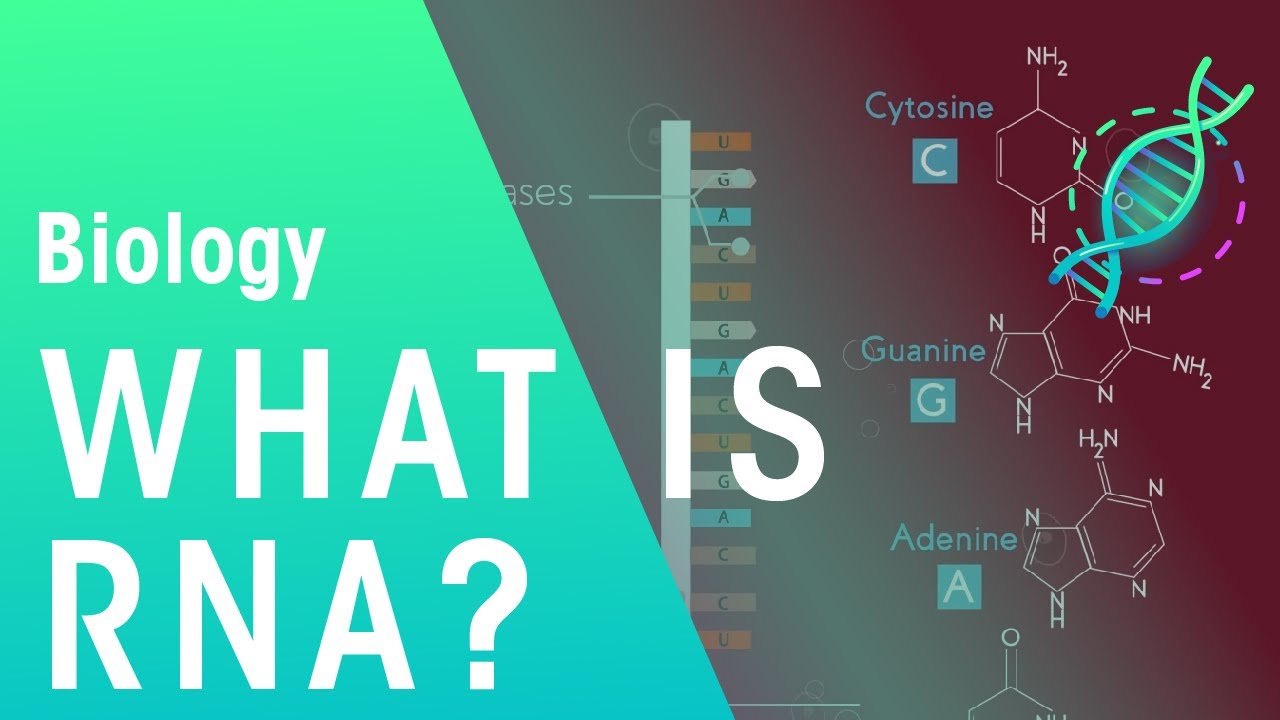


![IGCSE BIOLOGY REVISION [Syllabus 17] - Monohybrid Inheritance](https://i.ytimg.com/vi/GbR77CqkRx8/maxresdefault.jpg)